Introduction
Picking a cloud services provider always feels manageable at first. Then you start comparing proposals side by side and realize every vendor says almost the same thing. Everyone promises security. Everyone promises reliability. Everyone promises support that’s “always there when you need it.” None of that tells you much until you push past the pitch and start asking specific questions.
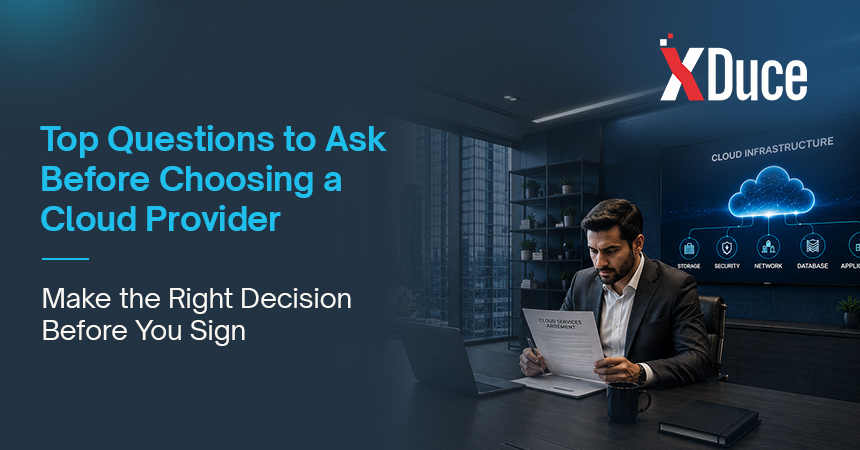
If you’re evaluating a cloud computing service provider for the first time, or moving away from one that stopped keeping up with your needs, the questions below should help. They’re meant to pull out the difference between a provider who will actually be a long term partner and one who just sounds good in a sales call. We put this together as a follow up to our post on what a cloud services provider actually does, so if you’re still early in the research phase, start there first.
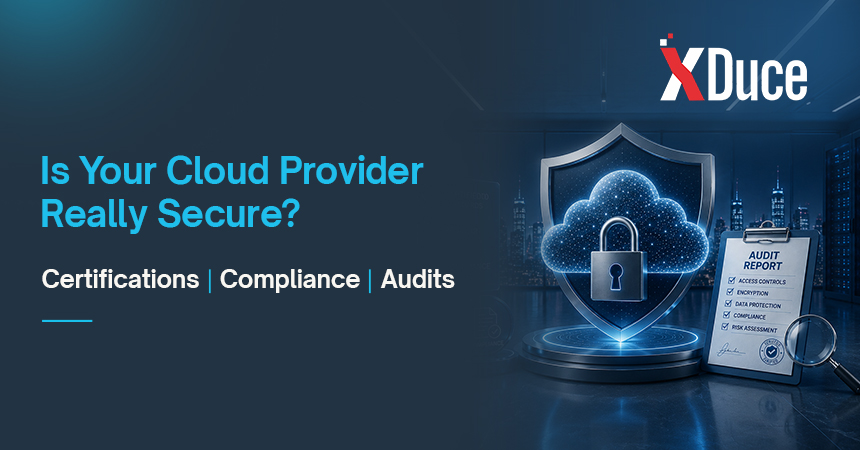
1. What Security Certifications Do You Actually Hold?
This should be question one, not question five. A provider worth signing with can walk you through their certifications without hesitation, and they should welcome you checking their work rather than asking you to just trust them.
Ask them to cover:
- Which certifications they hold, such as SOC 2, ISO 27001, HIPAA readiness, or FedRAMP if you work with government contracts
- How often those certifications get audited, and by whom
- Whether you can review their most recent audit report yourself
- Whether security is handled by a dedicated cloud security consultant or just folded into general IT support
If your company handles customer data, financial records, or anything health related, a vague answer to any of these is a red flag worth paying attention to.
2. Who Owns the Data, and Where Does It Actually Live?
Data ownership sounds like a non issue until a contract dispute makes it one. Get specifics in writing rather than a generic “it’s secure in the cloud” answer.
Questions worth putting on the table:
- Does your company keep full, written ownership of everything stored on their platform
- Where does that data physically sit, and does it stay within the US if compliance requires it
- What happens to your data the day you decide to leave
- Is there a documented exit process already in place, or would that get negotiated after the fact
A provider you can trust will already have answers ready for all four. If they don’t, that’s telling you something.
3. What Does the SLA Actually Guarantee, in Practice?
Uptime numbers look great on a landing page. What matters more is what happens when that number gets missed.
Before signing, get clear on:
- The real language behind downtime credits, not just the marketing percentage
- How fast support tickets get a first response, and how incidents are classified by severity
- Whether a real person answers after hours, or everything funnels into a ticket queue with a 24 hour window
- What actually counts as an “incident” under the agreement
A provider offering 99.9 percent uptime with no meaningful penalty attached isn’t offering much of a guarantee. For any business running something mission critical, how support is staffed matters more than almost anything else in the contract.
4. How Is Pricing Structured, and Where Could It Creep Up Later?
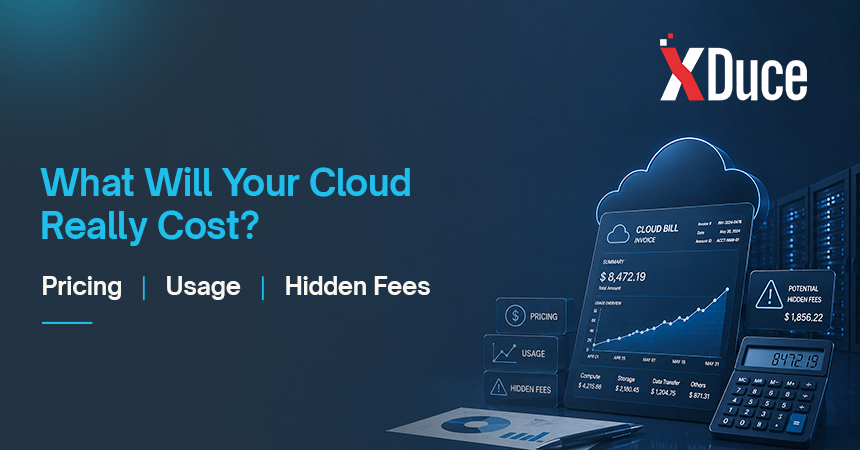
Cloud pricing has a habit of looking reasonable at signing and drifting upward over time. Ask for a full breakdown before you commit to anything.
Get answers on:
- What’s covered in the base price versus billed separately
- Data transfer fees, storage overages, and premium support tiers
- Whether they’ll share a sample invoice from an actual client
- How pricing scales as your usage grows over time
This matters just as much for smaller teams. Providers offering cloud solutions for small businesses should be upfront about scaling costs, since surprise bills are one of the most common complaints from companies that moved to the cloud without a clear sense of where the costs were headed.
5. What Does the Backup and Disaster Recovery Process Look Like?
Don’t settle for a verbal summary here. Ask for the actual disaster recovery plan, in writing.
Look for real numbers on:
- How often backups run and how long that data is retained
- Recovery time objectives and recovery point objectives
- How fast systems can come back online after an outage or a ransomware event
- Whether backups get tested regularly, or just assumed to work when needed
If downtime isn’t something your business can absorb, compare their approach directly against dedicated backup and disaster recovery services. Some providers build this into the core offering. Others treat it as a pricey add on you have to request separately.
6. How Does This Scale as Our Business Changes?
Whatever you need today won’t match what you need in two years. A solid provider should explain, clearly, how their platform grows with you instead of forcing a full replatforming project down the line.
Ask specifically about:
- How adding users or increasing storage actually works, step by step
- Whether expanding into new regions is supported and what that involves
- How pricing changes as you scale up or down
- How they fit into a larger modernization roadmap, if cloud migration is part of a bigger digital transformation push
7. What Kind of Help Do We Get During Onboarding and Migration?
Moving to a new cloud environment is almost never as simple as flipping a switch. Get clarity on how the transition itself will actually run.
Key things to confirm:
- Who manages the migration from start to finish
- How long the process typically takes for a company your size
- Whether you get a dedicated point of contact during the transition
- What happens, and who’s responsible, if something breaks halfway through
If you’re dealing with legacy systems, dig into this one especially hard. A provider without real migration experience can turn what should be a straightforward project into months of delays.
8. Can We Talk to a Client Who Looks Like Us?
Case studies on a website are curated, always. A direct reference call tells you far more.
Before you sign, try to get:
- A reference client close to your size or in your industry
- An honest sense of day to day reliability, not just onboarding
- Insight into how the provider handles problems when things go sideways
If a provider hesitates to connect you with a reference, that hesitation is telling you something too.
9. What Actually Happens When the Contract Ends?
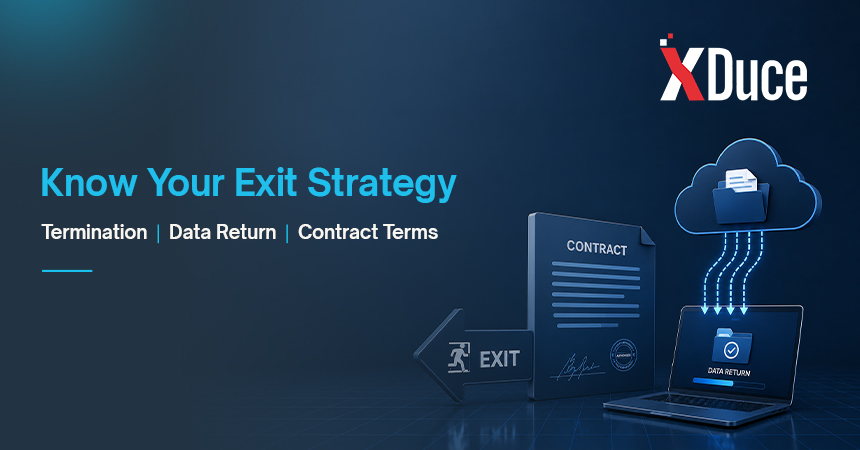
Read the termination clause before you sign anything else.
Make sure you understand:
- Notice periods required to cancel or not renew
- Early termination fees, if any
- Whether pricing is locked for the full term or open to change at renewal
- Exactly how your data gets returned or deleted once things wrap up
Get all of it written down. Verbal assurances made during the sales process don’t hold up once you actually need them.
Choosing the Right Fit, Not Just the Lowest Price
The cheapest bid is rarely the smartest long term call when it comes to cloud infrastructure. The right cloud services provider should feel less like a vendor and more like part of your team, one that understands your industry, gives you straight answers, and has a real track record supporting businesses at your stage of growth. Whether you’re weighing cloud services for small business needs or evaluating options for a much larger enterprise setup, taking the time to ask these questions before you sign will save you from far more expensive problems down the road.
Frequently Asked Questions
Most run between one and three years. Shorter terms give you more room to walk away if things aren’t working, while longer terms sometimes come with better pricing. Ask if there’s a shorter initial term available so you can test the relationship before locking in.
A cloud computing service provider focuses specifically on hosting, infrastructure, and platform management. A managed IT provider usually covers more ground, things like help desk support, networking, and device management, with cloud services often bundled in as just one piece of it.
Yes, honestly. The contract might be smaller, but the risks around data security, downtime, and hidden fees are just as real. Asking these questions early saves smaller companies from signing something that doesn’t hold up once they grow.
It can be, especially if you’re in a regulated space like healthcare, finance, or insurance. A consultant can look at the provider’s security posture and compliance paperwork independently, which gives you an outside opinion before you commit to anything.
Focusing on price and nothing else. A lot of businesses only discover the gaps, missing support hours, thin backup coverage, unexpected fees, after they’re already locked into the agreement. That’s exactly why asking these questions before signing matters so much.

Related Blogs