Introduction
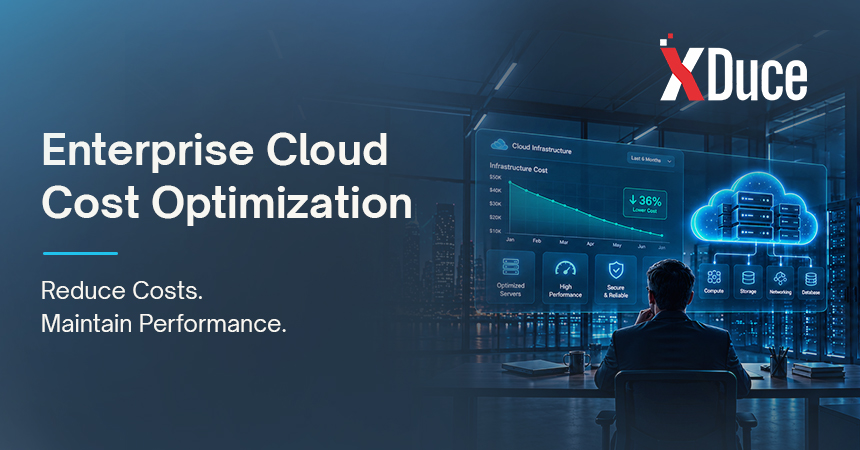
Cloud costs rarely spiral because of one bad decision. They spiral through dozens of small ones, an oversized instance here, an unused storage bucket there, a proof-of-concept environment nobody remembered to shut down. By the time finance notices, the bill has grown enough to demand attention, and the instinct is often to cut aggressively. That instinct is where things go wrong, because aggressive, undirected cuts are exactly what tanks performance. Cost optimization done well is a discipline, not a panic response.
This guide walks through where cloud costs actually come from, which optimization levers carry the least risk, and how to build a culture that keeps costs under control without a recurring crisis every budget cycle.
Tools That Help Track and Control Cloud Spend
Most major platforms provide native cost management tools, and third-party FinOps platforms exist for businesses running multi-cloud or wanting deeper analysis. Regardless of which tool a business uses, the useful ones share a few traits:
- Cost breakdowns by team, project, or environment, not just a single total
- Anomaly detection that flags unusual spend before it becomes a full month’s surprise
- Forecasting based on actual trends, not just last month’s number carried forward
- Recommendations tied to real usage data, not generic best-practice checklists
Why Cloud Costs Get Out of Control in the First Place
A handful of patterns show up in nearly every enterprise cost review:
- Resources provisioned for peak load and never scaled back down afterward
- Storage and compute left running after a project ends because nobody owns cleanup
- Teams choosing on-demand pricing by default instead of committing to reserved capacity for steady workloads
- No consistent tagging, so nobody can tell which team or project is driving which cost
- Multiple teams independently provisioning similar resources instead of sharing capacity
What a Cost-Focused Cloud Advisory Engagement Looks Like
A structured cost optimization engagement typically follows this sequence:
- Audit current spending against actual usage, not just the invoice total
- Identify the highest-impact opportunities first, rather than chasing every small line item equally
- Model the performance impact of each proposed change before making it
- Implement changes in a sequenced order, starting with the lowest-risk items
- Set up ongoing monitoring so savings do not quietly erode again within a few months
Rightsizing Without Hurting Performance
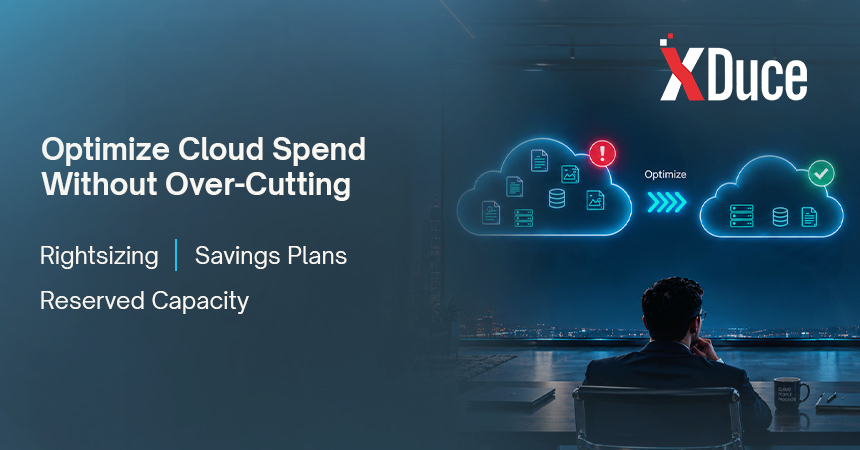
Rightsizing gets a reputation as risky because done carelessly, it is. Done properly, it relies on actual usage data rather than guesswork:
- Review real utilization metrics over weeks, not a single snapshot in time
- Downsize gradually and monitor performance after each change rather than all at once
- Keep headroom for known seasonal or growth-driven spikes rather than optimizing to the exact current baseline
- Separate genuinely idle resources from resources that are simply used inconsistently
Reserved Instances, Savings Plans, and Commitment Discounts
For workloads that run consistently, committing to reserved capacity or a savings plan is usually one of the largest and lowest-risk savings levers available, often cutting costs meaningfully compared to on-demand pricing for the same resources. The trade-off is reduced flexibility, so this works best once usage patterns are well understood rather than during the first few months of a new deployment.
Cost Optimization Levers and Their Typical Impact
Not every lever carries the same risk or payoff. A rough guide to how the major options compare:
| Lever | Typical Savings Impact | Risk to Performance if Done Carelessly |
|---|---|---|
| Rightsizing | Moderate to high | Low, if based on real usage data |
| Reserved capacity or savings plans | High for steady workloads | Low, but reduces flexibility |
| Eliminating idle resources | Low to moderate | Very low, since resources are unused by definition |
| Aggressive across-the-board cuts | Unpredictable | High, and often reversed later at extra cost |
Governance and Tagging: The Boring Stuff That Saves the Most
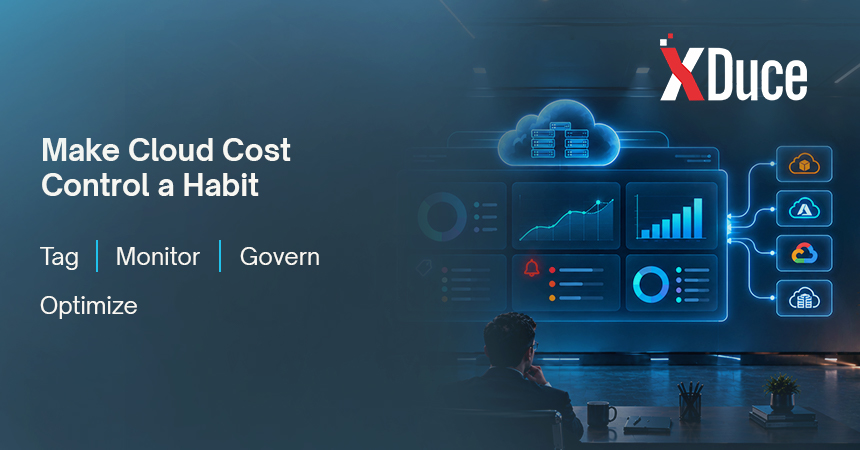
None of this is glamorous, but consistent governance tends to prevent more waste than any single optimization project:
- Enforce a standard tagging policy so every resource is attributed to a team, project, and environment
- Set automatic alerts for spend that crosses a defined threshold
- Require approval for provisioning above a certain cost tier
- Schedule regular reviews, monthly or quarterly, rather than an annual scramble
Enterprise vs. Mid-Market Cost Optimization Priorities
The starting point for cost optimization tends to differ by company size:
| Business Profile | Typical First Priority | Why |
|---|---|---|
| Large enterprise | Governance and tagging across many teams | Waste often comes from scale and fragmented ownership |
| Mid-market business | Rightsizing and reserved capacity | Fewer teams, so quick wins are easier to identify and act on |
| Fast-growing company | Forecasting and scaling policy | Costs grow with usage, so unmanaged scaling drives the bill |
Common Cost Optimization Myths
A few misconceptions tend to steer businesses toward the wrong approach:
- “The cheapest instance type is always the safest cut”: not true if it degrades performance enough to require a costlier fix later
- “Reserved capacity is only for huge enterprises”: mid-sized businesses with steady workloads benefit just as much, proportionally
- “Cost optimization is a one-time project”: without governance, savings tend to erode within months
- “More monitoring tools automatically mean lower costs”: tools only help if someone is actually acting on what they show
Most of these myths persist because cost optimization gets treated as a purely technical exercise, when in practice it also requires a change in habits and incentives across the teams actually provisioning resources.
Cost Optimization Considerations by Platform
While the core principles apply everywhere, the specific levers differ slightly depending on which cloud platform you run:
| Platform | Where the Biggest Savings Tend to Hide |
|---|---|
| AWS | Instance rightsizing, S3 storage tiering, and Savings Plans on steady compute |
| Azure | Reserved VM instances, Azure Hybrid Benefit for existing licenses, and orphaned disks |
| Multi-cloud | Consistent tagging and governance across platforms, since fragmentation itself drives waste |
How to Measure Whether Cost Optimization Actually Worked
A cost optimization effort is only successful if the savings hold up over time and performance stays intact. A few things worth tracking:
- Cost per unit of usage, not just total spend, since total spend naturally grows with the business
- Performance metrics before and after each change, to confirm nothing degraded
- How long savings hold before costs start creeping back up without governance
- Whether teams are still able to provision what they genuinely need without excessive friction
Quick Wins vs. Long-Term Savings
Not every optimization pays off on the same timeline. Separating the two helps set realistic expectations with finance:
| Timeframe | Where Savings Typically Come From |
|---|---|
| Immediate | Eliminating clearly idle or forgotten resources |
| 1 to 3 months | Rightsizing based on real usage data |
| 3 to 6 months | Reserved capacity or savings plan commitments |
| 6 months and beyond | Governance maturity that prevents waste from recurring |
Building a Cost-Conscious Culture
The most durable cost optimization is not a one-time project. It is a habit that becomes part of how teams already work. A few practices help make that stick:
- Give engineering teams visibility into what their own resources actually cost, not just a finance-only view
- Recognize teams that proactively clean up unused resources instead of treating cost as purely IT’s problem
- Bake cost review into the standard deployment process, not a separate afterthought exercise
- Revisit committed spend, like reserved capacity, at renewal time rather than letting it auto-renew unreviewed
A Realistic Example of What Optimization Can Look Like
A mid-sized company running a mostly steady workload on one platform might start with a usage audit that turns up a handful of oversized instances, a few forgotten test environments still running, and no reserved capacity despite years of predictable usage. Addressing just those three areas, without touching production performance, often produces a meaningful reduction in the monthly bill within the first couple of months. The remaining gains tend to come more slowly, through governance and habit, which is why treating optimization as an ongoing practice rather than a single sprint tends to produce better results over a full year than a single aggressive cleanup.
The businesses that sustain their savings longest are rarely the ones that cut hardest in the first month. They are the ones that treat cost as a metric worth watching continuously, the same way they watch uptime or customer satisfaction, rather than something that only gets attention once a year when the invoice finally forces the conversation.
Where Cloud Advisory Fits Into Cost Optimization Work
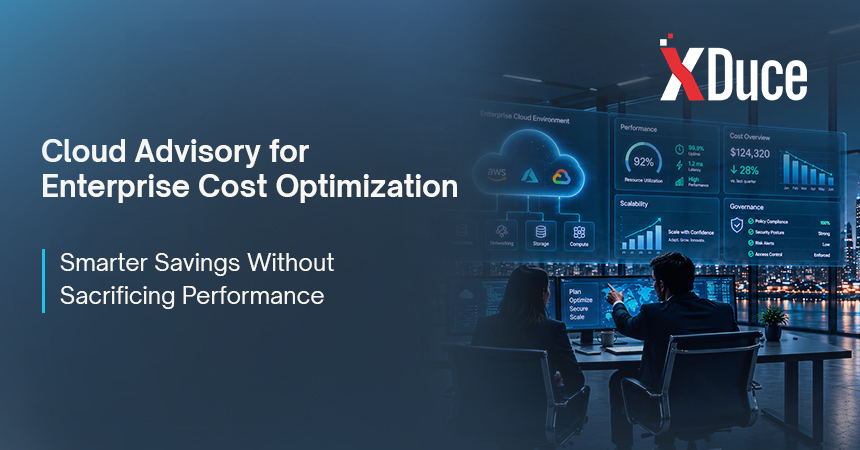
Businesses sometimes assume cost optimization is purely a technical, hands-on task, better suited to an engineer than an advisor. In practice, the strategic layer matters just as much: deciding which levers to prioritize, how much risk is acceptable in exchange for savings, and how to sequence changes so finance sees results without engineering being asked to gamble on production stability. That framing, more than the mechanics of any single setting change, is usually what separates a cost optimization effort that sticks from one that gets undone within a year.
Frequently Asked Questions
Savings vary widely depending on how inefficient the current environment is, but rightsizing and reserved capacity commitments are typically the two largest, lowest-risk levers available.
It carries risk if done carelessly, but based on real usage data and applied gradually with monitoring after each change, it is generally low risk.
Aggressive, undirected cuts tend to hurt performance and often get reversed later at extra cost. A structured, sequenced approach based on actual usage data works better.
Both offer discounted pricing in exchange for a usage commitment, though the details vary by cloud platform. A cloud advisory consultant can help match the right option to your specific workload patterns.
Monthly or quarterly reviews tend to catch drift before it becomes a large problem, rather than waiting for an annual budget review to surface issues.
It can be done internally with the right data and discipline, but outside cloud advisory services often bring a structured process and cross-industry benchmarks that speed up the work.
Cutting resources without reviewing actual usage data first, which tends to cause performance problems that cost more to fix than the original savings were worth.
Most major platforms include native cost management dashboards, and third-party FinOps platforms are available for businesses running multi-cloud environments or wanting deeper cross-platform analysis.
Give engineering teams visibility into what their own resources cost, bake cost review into the standard deployment process, and revisit committed spend at renewal time instead of letting it auto-renew unreviewed.

Related Blogs